From no-code to coding apps - Ben's story
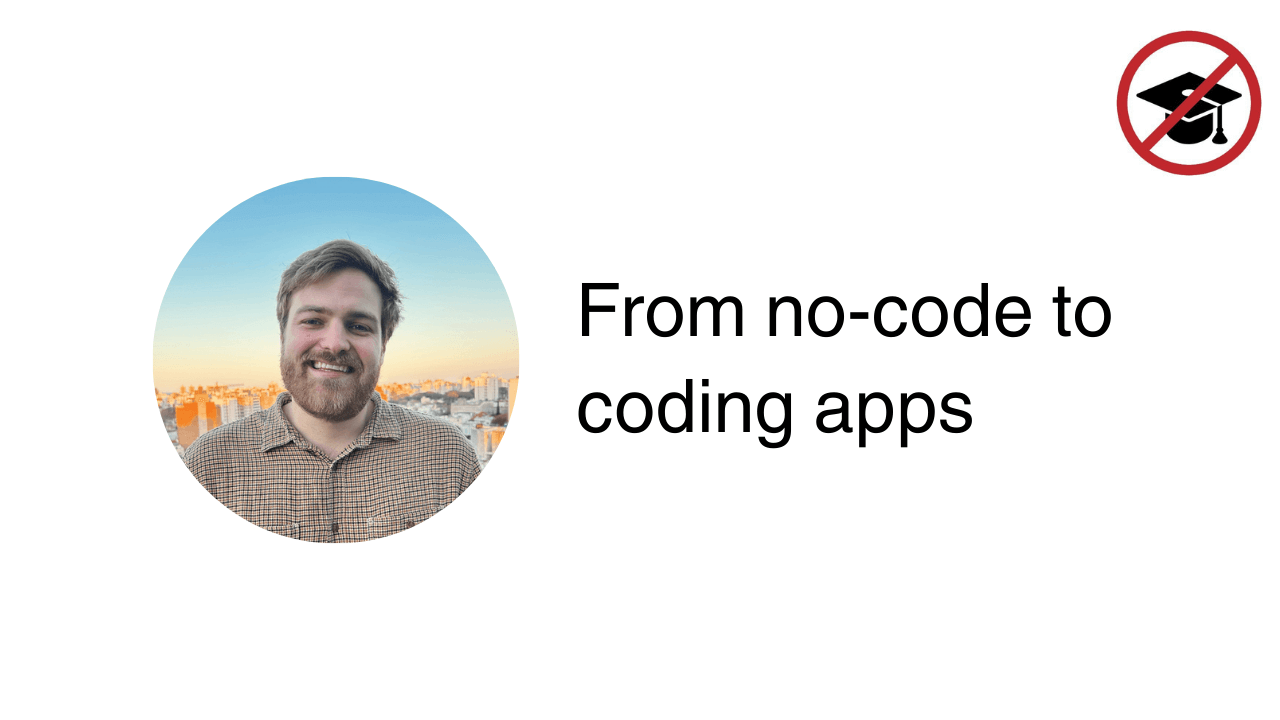
Ben went from relying on no-code tools to learning to code with Odin Project. In this interview he talks about how he learned programming and how he views AI-assisted coding.
Thanks to Nulab for sponsoring this edition:
A simpler way to track issues and keep your team aligned
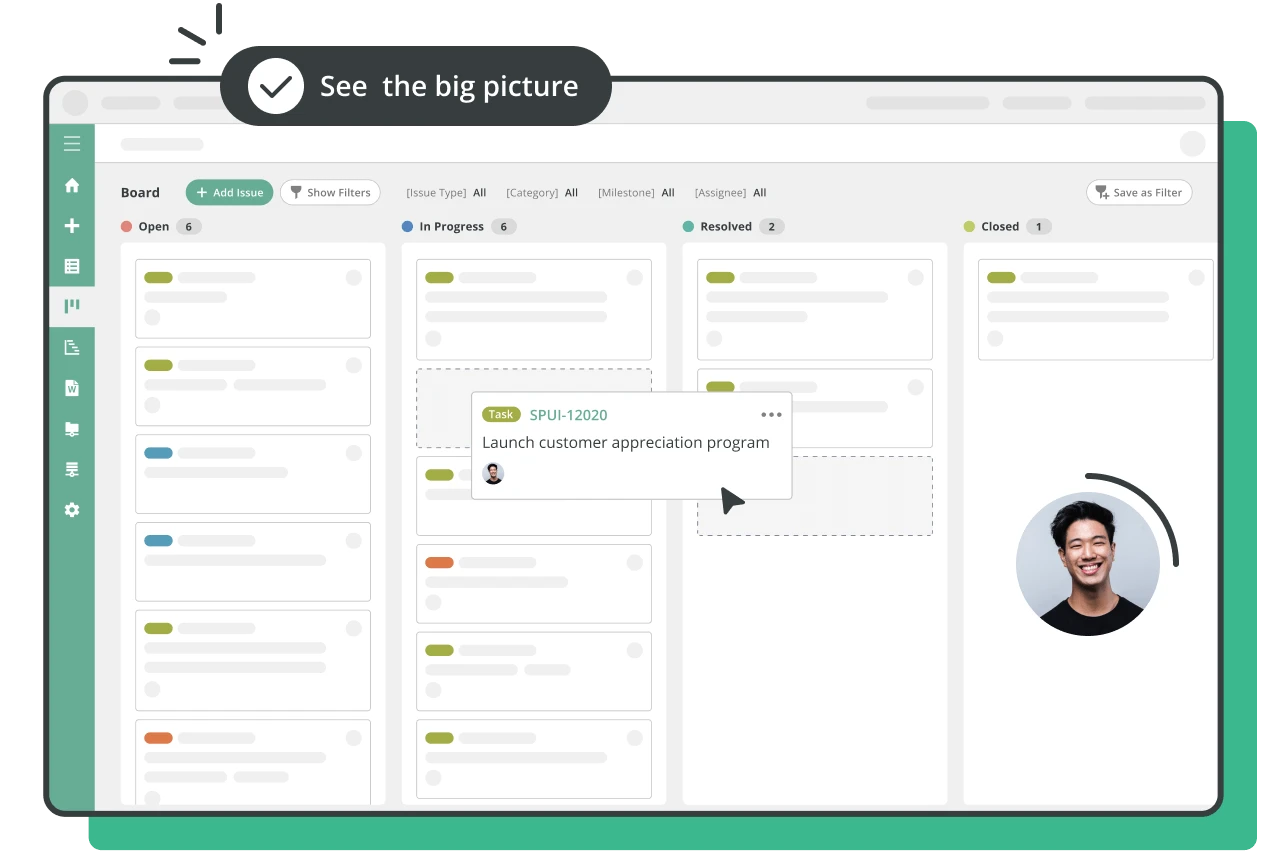
If your issue tracker feels slow or messy, Backlog gives you a clean, organized, developer-friendly way to manage work across product, engineering, and QA. Create issues in seconds, assign owners, set priorities, track progress, and collaborate—all in one place.
Teams use Backlog to reduce noise, increase transparency, and keep work moving without the complexity of enterprise tools.
From feature requests to bugs to sprint planning, Backlog helps teams stay on top of every detail.
Hey, so can you introduce yourself?
Hello! I’m Ben, a product lead at Match My Email and indie hacker. As a product designer, I’ve worked on AI projects with companies like Slack, Salesforce and Google. I love discovering new music, reading non-fiction books, and improving my Spanish. I am from the US but living abroad in Montevideo, Uruguay with my wife and two cats.

Do you have any side projects you’re working on?
I believe the next big AI interface will be the spreadsheet.
Chat is great for one-off prompts, but more complex tasks need structure. As we see more and more people focus on leveraging AI at work, there needs to be a better way to use AI to do more: that way is spreadsheets.
That’s why I built PromptFast: a tool that lets you prompt from any AI model within Google Sheets.
It can really speed up certain tasks. I used it to categorize and analyze 300 competitor reviews in minutes. PromptFast can be used to rapidly run lots of data through AI models, compare different models, and run evaluations. You don’t need a fancy expensive AI tool to do this kind of work. This tool is low-cost and you connect to AI yourself so you pay market rates.
Why did you learn to code?
Since I was a teen, I wanted to code stuff, but didn’t know how. When I got into indie hacking (building my own solo projects), I didn’t know how to build anything.
At first, I made websites with no-code builders like Carrd (affiliate) , and it felt so cool to be able to create a website anyone in the world could visit. Over time though, I kept wanting to add more and more complicated functionality. Eventually the no-code tools would not let me take my ideas as far as I wanted. I realized I really wanted to be building apps.
So I committed myself to learning web development properly starting with really understanding the fundamentals of HTML, CSS, and Javascript and building more and more complicated projects over time.
In my day job I work as a product design lead and product manager. I started working closer and closer with devs in my role and wanted to learn how to speak their language more.
How did you learn coding?
I dipped my toe into coding in different ways over the years, but never considered myself a coder.
It wasn’t until I decided to commit myself to the Odin Project, an amazing free open-source web development course that I started to feel like a coder. It is self-paced and I worked on it daily for at least an hour every day for about 9 months. It was a grind at times, I remember spending hours just reading through documentation. It is so rewarding though and led me to a much deeper understanding of web development.
Going all in on coding has been very rewarding for me but it is not the only way. It can also work great to slowly familiarize yourself with easier coding projects. No-code web builders are just fancy ways to change HTML, CSS, and Javascript. If you are just starting, build some websites with those and try to start to add custom code.
Before the Odin Project I tried learning React through some FreeCodeCamp curriculum and made some cool things but the material missed some fundamentals about Javascript that would have served me well later on. What’s nice about the Odin Project is it builds your coding knowledge from the foundation.
How has your life changed since learning to code?
Learning to code has let me go from being a product designer that just designs things to a builder who can bring products and features into the world.
In my current role, I’m my company’s first product designer and also lead product management. Before coding, I proposed new features and waited for a developer to be free to explore the concept. Now I can build a functional prototype myself, use it to get buy-in, and work closely with a dev to ship it.
Last month I built a working prototype in two days that would’ve taken weeks waiting on dev resources. The shift from proposing ideas to shipping them has been huge. We’re launching one of these features soon.
My indie hacker projects used to be websites built on no-code tools like Carrd (affiliate) and Webflow (affiliate). Now I’m building an app.
Where do you see coding going with AI?
I think we are in a current moment where AI is plateauing. People get hyped up over every new model release but if you listen to leading experts in the AI space like Yann LeCun or Andrej Karpathy, for AI to keep progressing a new breakthrough is needed which may take years.
That said, there are still lots of changes to coding I expect as a result of the adoption of AI technology in its current state. LLMs are still a very new technology, ChatGPT was released only 3 years ago. Maybe coders and engineers still have not adopted AI into their workflows. Coders benefit tremendously because they can use AI to work faster but also know how to work through issues when manual debugging is required. Non-coders can jump into vibe coding but they will eventually run into issues. We will continue to see new ways coders can better utilize AI to work faster and make better products.
AI only makes coding more fun. Less time needs to be spent fixing a misplaced bracket and more time working through the actual functionality of the things they are building. It is one reason I am excited to be leaning into coding more and more.
With AI, I think it is important to get your hands on the technology as much as possible and find ways to use it in useful ways. But an underrated move is to read books about AI and not just tutorials on the current technology. The current technology will continue to evolve. There are great books out there like Artificial Intelligence by Melanie Mitchell that help show the full history of the field of AI and where it may go.
What are your career goals for the future?
Today, I want to keep building AI tools that solve real problems without overcomplicating things. Right now that means building PromptFast and finding ways to leverage AI in CRMs with Match My Email. Long term, I am drawn to how AI can tackle bigger problems in the world in areas such as food production and climate action.
I am always eager to connect with fellow builders on threads: https://www.threads.com/@bensterne. If you are getting into building your own projects, feel free to send a message, I’m always happy to help any way I can.
Thanks for the interview!
I hope you enjoyed this article.
Just a reminder - I also send a twice-weekly newsletter about startup news called High Signal. If you want to follow me, check out my LinkedIn or personal website
Thanks,
Pete